Squash (Pumpkin) Pie.
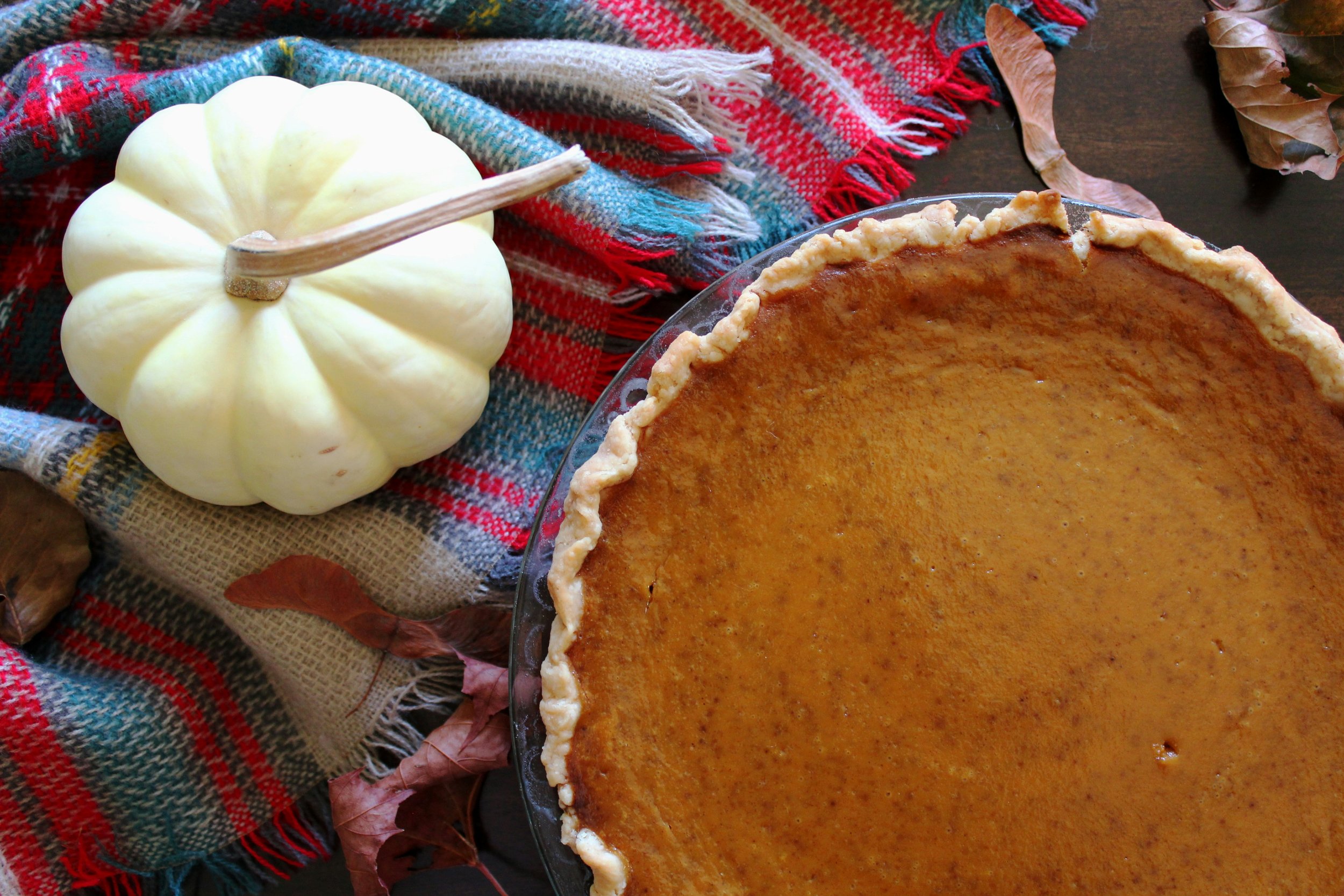
This Squash Pie recipe can be made with your favorite squash cooked and mashed. Straight from 1927!
A 1927 Custard Pie from an Old-Fashioned Kitchen
There is something deeply grounding about baking from an old cookbook — the kind that assumes you already know a little something about your kitchen, your ingredients, and your senses. This Squash Pie, labeled simply “Squash (Pumpkin Pie)” in a 1927 cookbook, is one of those recipes. It’s unassuming, practical, and quietly perfect.
This recipe comes from Good Meals and How to Prepare Them by Catherine A. Fisher, director of the Good Housekeeping Institute. Published nearly a century ago, this book is more than a collection of recipes — it’s a guide to meal planning, cooking, serving, and how food was meant to function in everyday life. The appendixes alone read like a homemaker’s apprenticeship, teaching everything from basic techniques to foundational dishes.
What I love most about this squash pie is the balance. Many old pumpkin pie recipes lean heavy on milk, resulting in a thinner, looser custard. This one uses equal parts cooked squash and cream, creating a filling that is thick, creamy, and rich — yet still light and tender when baked properly.
A Note on Squash & Pumpkins
Although this recipe is often thought of as a pumpkin pie, it is truly a squash pie — and that distinction matters. You can use nearly any winter squash you love:
Butternut squash
Acorn squash
Sugar pumpkins
Or heirloom varieties
In my own kitchen, I used a Long Island Cheese Pumpkin, an old American variety prized for its smooth texture and mellow sweetness. It is exceptional for pies and custards and would have been right at home in a 1920s pantry.
Squash (Pumpkin Pie) – 1927 Recipe
Ingredients
1 cup cooked squash, put through a sieve (or well mashed until smooth)
1 cup cream
¾ cup sugar (white or brown; I prefer brown sugar)
3 eggs
3 tablespoons vanilla
2 teaspoons homemade pumpkin pie spice
OR use the original spice blend:
½ teaspoon ginger
½ teaspoon nutmeg
½ teaspoon salt
¼ teaspoon mace (allspice may be substituted)
Original Directions (from the 1927 cookbook)
(“To one cup full of cooked squash, which has been put through a sieve, or one cup full of canned squash, add the cream and sugar, either white or brown. Beat the eggs slightly and add to the squash and cream mixture with the vanilla, ginger, nutmeg, salt, and spice mace. Line a pie plate with pastry, brush the pastry with the white of egg, and sprinkle lightly with breadcrumbs. Pour in the squash mixture and bake as caramel custard pie.”)
The cookbook assumes you understand what “bake as caramel custard pie” means — a common expectation in early 20th-century cooking.
What they are referring to is a two-temperature custard bake, which prevents curdling and ensures a silky, smooth filling.
How to Bake This Pie (Custard Method)
Preheat the oven to 450°F
Bake the pie at 450°F for 10 minutes — this sets the butter crust quickly
Reduce the oven temperature to 325°F
Continue baking for 30 minutes, until just set
This method is crucial. Custard pies can easily be overcooked, which causes the filling to separate and become grainy or chunky. What you’re looking for is a gentle wobble in the center — not liquid, but softly moving when the pie is nudged.
If there is no wobble at all, the pie has gone too far.
A properly baked custard pie should be tender, smooth, and creamy — almost like velvet.
Old-Fashioned Butter Pie Crust (Single Crust)
This is my standard, go-to pie crust — simple, reliable, and deeply buttery.
Ingredients
1 cup flour + 1 tablespoon
1 cube (½ cup) salted butter, very cold, shredded
A sprinkle of salt
About 6 tablespoons ice water, you may need to a splash of water if the dough is too dry.
Method
Mix flour and salt
Cut or chop the cold butter into the flour until very crumbly
Add ice water one tablespoon at a time, mixing gently
Stop as soon as the dough just comes together
Form into a ball, wrap, and refrigerate for 30 minutes
Roll out slightly larger than your pie plate
Fit into the plate, trim edges, and crimp with fingers or a fork
This crust bakes up flaky and tender — perfect for a custard-style filling. For this squash pie, one crust is all you need.
To Serve
This pie is lovely on its own, but the book makes one final suggestion worth keeping:
(“This pie is delicious spread with honey and topped with whipped cream.”)
And they are absolutely right.
A thin drizzle of honey over a slice, followed by softly whipped cream, brings out the gentle sweetness of the squash and the warmth of the spices.

Squash Pie
This pie is equal parts cooked squash and cream, creating a filling that is thick, creamy, and rich — yet still light and tender when baked properly.
Ingredients
Instructions
Notes
• Modern Method: Instead of putting the squash through a sieve as directed in the original 1927 recipe, I use a food processor to puree the cooked squash until completely smooth. This gives you the same velvety texture with far less effort.
• No Breadcrumbs Needed: The original instructions suggest sprinkling fine breadcrumbs over the crust before adding the filling. I personally omit this step and have never had an issue with a soggy crust when using a properly chilled butter crust and the high-heat start.
• Egg White Wash (Optional): Brushing the crust with egg white before filling is optional. It can help seal the crust slightly, but I often skip it without sacrificing quality.
• Do Not Overbake: Custard pies can become grainy or slightly separated if overcooked. The pie is done when the center has a gentle wobble — not liquid, but softly set. If it does not move at all, it has likely gone too far.
• High-Heat Start Matters: Baking at 450°F for the first 10 minutes helps set the butter crust quickly. Reducing to 325°F allows the custard to bake gently and stay smooth.
• Squash Substitutions: This recipe works beautifully with butternut squash, acorn squash, sugar pumpkins, or heirloom varieties such as Long Island Cheese Pumpkin. Any well-roasted, naturally sweet squash will do.
• Spice Adjustment: If using homemade pumpkin pie spice, 2 teaspoons works beautifully. If following the original spice blend, mace may be substituted with allspice.
• Make Ahead: This pie can be baked the day before serving. Store covered at room temperature for several hours or refrigerate and bring slightly toward room temperature before serving.
• Serving Suggestion: As noted in the original cookbook, this pie is lovely topped with whipped cream and a drizzle of honey.
Nutrition Facts
Calories
220Fat
12 gSat. Fat
7 gCarbs
22 gFiber
0 gNet carbs
22 gSugar
21 gProtein
3 gSodium
178 mgCholesterol
95 mg